
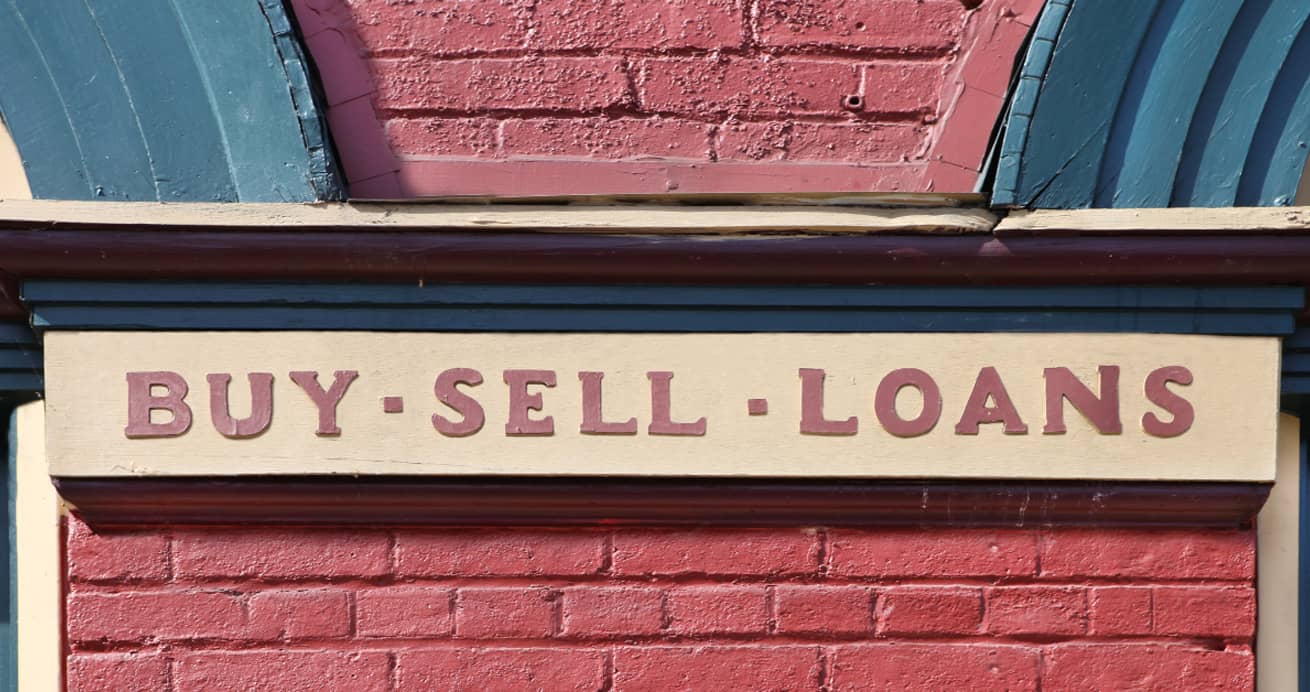

How do Pawn Shops Determine Value
Selling fine jewelry isn’t just a transaction, it’s a financial decision.
If you’re considering a pawn shop, it’s important to understand how pawn shops determine value and why that process often works against owners of high-quality diamonds, estate jewelry, and luxury pieces.
Pawn shops are designed for speed and short-term resale. Fine jewelry, on the other hand, requires market knowledge, gemological expertise, and buyer demand to be valued correctly. Understanding this difference can mean the difference between a quick offer and a fair one.
Quick Answer: How Do Pawn Shops Determine Value?
Pawn shops determine value based on resale speed, risk, and liquidity, not long-term market demand or craftsmanship. Offers are typically based on metal weight, current scrap prices, and how quickly the item can be resold, which often results in fine jewelry being significantly undervalued. This is particularly true for those looking to sell an engagement ring, where the value lies in the diamond’s GIA grading and the brand’s provenance, not just the metal weight.
Pawning vs. Selling
A pawn shop offer first depends on whether you’re pawning an item or selling it. These aren’t the same thing. If you’re pawning an item, you’re essentially using it as collateral for a loan. You intend on coming back for it when you can pay that loan (plus the interest accrued) back.
 Pawning Jewelry
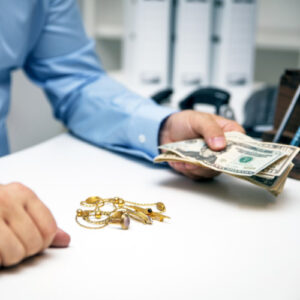
When you pawn jewelry, you’re using it as collateral for a short-term loan. You receive cash upfront with the intention of returning to repay the loan plus interest to reclaim your item.
Pawn loans:
- Accrue interest quickly
- Are structured for short-term repayment
- Prioritize protecting the pawn shop from loss
Selling Jewelry
When you sell jewelry, ownership transfers immediately. While selling generally results in a higher offer than pawning, pawn shops still price conservatively to ensure fast resale and profit.
Do You Get More Money If You Sell or Pawn Jewelry?
In most cases, selling yields more than pawning, but the difference may still be significant when compared to selling through a professional jewelry buyer.
Pawn shops build large risk buffers into both pawn loans and purchase offers. Even when selling outright, offers are typically capped well below market value to protect resale margins.
 How Pawn Shops Determine Jewelry Value
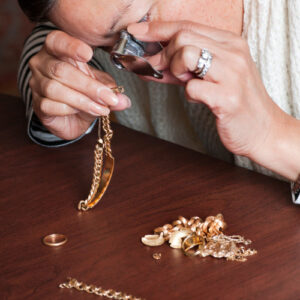
Most pawn shops rely on a combination of internal databases, wholesale references, and quick online research. However, their valuation process is shaped by one core goal: rapid resale at a guaranteed profit.
Common factors pawn shops prioritize include:
- Metal weight and purity, often treating jewelry as scrap
- Current commodity prices, not collector or retail demand
- Liquidity, or how fast an item can be resold
- Risk mitigation, which lowers offers by design
What’s often overlooked:
- Diamond cut quality
- Brand or designer value
- Estate or vintage significance
- Craftsmanship and rarity
This approach works for general merchandise, but it rarely works in favor of fine jewelry owners.
Diamond Buyers is Houston’s most trusted jewelry buyer.
Why Pawn Shops Often Undervalue Fine Jewelry
Pawn shops buy a wide range of items, from electronics to tools to instruments. Because they are generalists, they are not equipped to assess the nuances of high-end jewelry.
Fine jewelry requires:
- Certified gemological evaluation
- Market-specific pricing knowledge
- Understanding of collector and estate demand
Without this expertise, diamonds and luxury jewelry are often valued only for their most basic components—resulting in lower offers.
Because we specialize in these high-end nuances, Diamond Buyers is able to offer a professional alternative for those who want to sell a diamond engagement ring without the ‘liquidation discount’ typical of a pawn shop environment.
Do Pawn Shops Negotiate?
Yes, most pawn shops negotiate, but expectations should be realistic.
Even with negotiation, offers typically fall within 40%–60% of resale value. Pawn shops are not evaluating sentimental value, provenance, or long-term appreciation. Their pricing reflects short-term resale risk, not intrinsic or market value.
Is It Better to Pawn or Sell Jewelry?
The answer depends on your priorities.
- If you need a short-term loan and plan to reclaim your jewelry, pawning may be an option—provided you can manage the interest.
- If your goal is to receive the highest possible value, selling through a specialized jewelry buyer is typically the better route.
When selling fine jewelry, who you sell to matters as much as the piece itself.
Why Selling to a Professional Jewelry Buyer Makes a Difference
Certified jewelry buyers specialize exclusively in evaluating diamonds, estate jewelry, and luxury pieces. Unlike pawn shops, they are trained to assess:
- Diamond grading and quality factors
- Market demand for specific styles and brands
- Estate and inherited jewelry value
- Investment-grade characteristics
This specialization allows professional buyers to make offers based on true market value—not liquidation pricing.
Researching Jewelry Pawn Shops
Before selling anywhere, always arm yourself with as much knowledge as possible. Do research on the market, explore your selling outlets and really know what it is you’re selling. Get multiple independent appraisals or lab tests that can help prove your jewelry’s worth. We promise you – it’s absolutely worth your time, and you’ll thank yourself later!
We have a lot of resources here on our blog that can help during your research phase:
- Avoid These Common Mistakes When Selling Your Jewelry
- Guide to Watch Value: How Much is my Watch Worth?
- 5 Elements Every Jewelry Appraisal Should Contain
- Diamond Value Factors
- How Much is my Jewelry Worth?
- How to Sell An Engagement Ring (The Professional’s Guide)
- 3 Tips to Increase Jewelry Value
- Where Should I Sell My Jewelry?
- How to Sell a Diamond in 5 Steps
Sell to a Professional Jewelry Buyer
The reason is simple, certified jewelry buyers know jewelry worth. They specialize in jewelry value, have been trained in giving accurate appraisals and know the current market.
Need more convincing? We dove into this topic in another post: Why Sell Jewelry to a Certified Gemologist?
Whether you’re looking for a safe solution for quick and fast cash, or just have some extra jewelry that’s been gathering dust in your jewelry box, the professionals here at Diamond Buyers are ready to help!
You can start with a free, no-obligation appraisal of your fine jewelry, diamonds, watches, wedding and/or engagement rings.
You can walk away with more money in your account within just a few business days.
Frequently Asked Questions About Selling Jewelry to Pawn Shops
Do pawn shops pay fair value for diamond jewelry?
Pawn shops typically pay based on liquidation value, not retail or collector demand. This often results in lower offers for high-quality diamonds and luxury jewelry.
Is it better to sell jewelry to a pawn shop or a jewelry buyer?
Certified jewelry buyers specialize in fine jewelry valuation and usually provide higher offers based on current market demand.
How much do pawn shops usually offer for jewelry?
Most pawn shops offer between 40% and 60% of their expected resale price to account for risk and turnaround time.
Can I sell jewelry discreetly without using a pawn shop?
Yes. Professional jewelry buyers offer private, discreet evaluations without public resale environments.
0 Comments