


Diamond Resale Value: What High-End Buyers Actually Pay (and Why)
Quick Answer: Do diamonds hold their value?
Most diamonds do not hold their original retail value when resold. Retail pricing includes markups for branding, overhead, and profit that don’t transfer to the secondary market. Diamond resale value is based on what a qualified buyer can pay today based on verified quality, documentation (like a GIA report), condition, and current market demand, not what you originally paid.
What “Diamond Resale Value” Actually Means
Diamond resale value is the real-world price range a qualified buyer may offer for a pre-owned diamond or engagement ring based on:
today’s market demand for that stone type and shape
verified specs (especially cut + lab grading)
condition (chips, wear, prongs, loose stones, etc.)
how easily the item can be resold (liquidity)
In short: resale value reflects today’s market, not yesterday’s receipt.
If You’re Selling an Engagement Ring, Start Here
If you’re considering selling an engagement ring, the fastest way to avoid confusion (and low offers) is to start with the basics:
confirm whether you have a GIA report (or get the diamond identified)
check condition (chips, worn prongs, loose center stone)
choose the safest selling path for your priorities (speed, certainty, privacy)
Next step: Read our guide on how to sell an engagement ring safely
Or if you already know you want to sell, visit our Sell Engagement Rings page to start the process.
Why Engagement Rings Lose Value on Resale
There are a few reasons why engagement rings lose value when reselling:
Retail markups
The price you paid included marketing, store overhead, and margin, costs that don’t exist on resale.
Pre-owned status
Buyers price your ring as a secondary-market asset, not a brand-new retail product.
Changing demand
Certain shapes, styles, and “popular specs” shift over time, which affects what buyers are paying right now.
Condition
Chips, abrasions, bent prongs, or worn settings can reduce offers, sometimes more than sellers expect.
Documentation gaps
Missing GIA reports or brand paperwork makes pricing less precise and often lowers the top end of offers.
High-end stones with exceptional quality and documentation can hold value better, but most consumer rings won’t “appreciate” in a way that beats fees, inflation, and opportunity cost.
What Tends to Increase Diamond Resale Value
In general, these traits tend to support stronger resale offers:
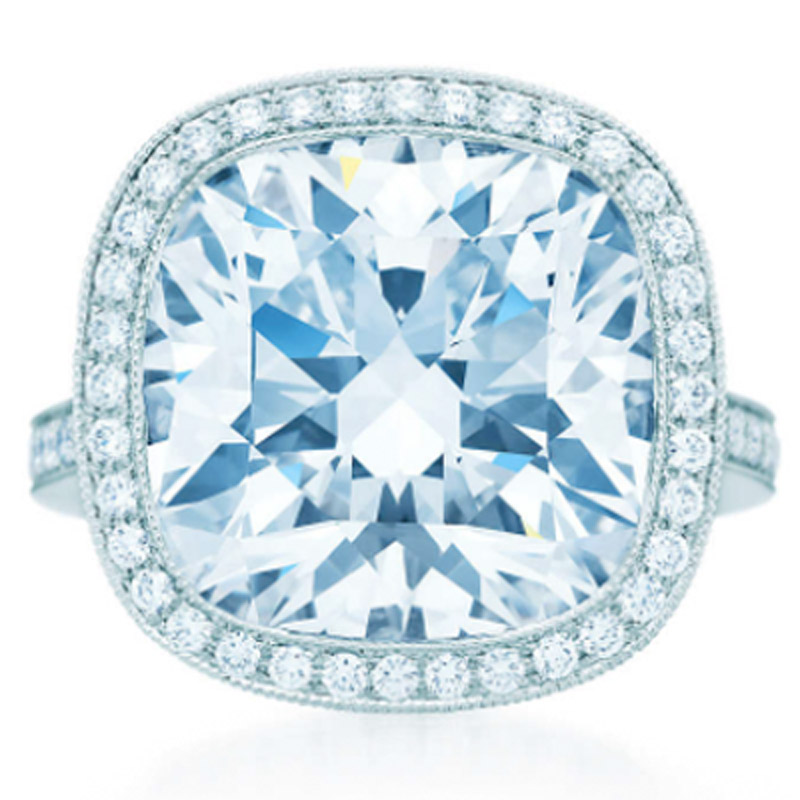
Natural diamonds with strong 4Cs and excellent cut
Excellent cut quality (often a bigger driver than people expect)
Classic shapes (round and oval are typically more liquid)
Larger center stones (all else equal) over many small accent stones
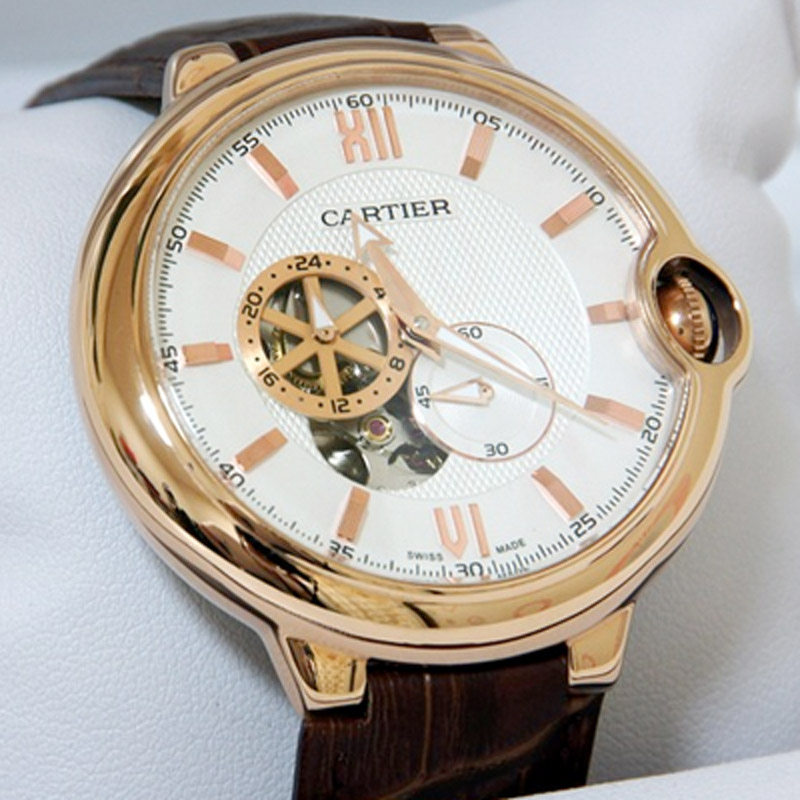
Major designer names with original documentation
GIA grading reports (and matching laser inscription when applicable)
What Lowers Diamond Resale Value
Common value-reducers include:
no lab report (or unclear grading)
noticeable chips, abrasion, or damage
low-demand shapes/sizes for current market conditions
settings that are heavily worn or need repair
mismatched paperwork (or “appraisal-only” docs without lab grading)
Diamond resale value factors at a glance
| Factor | Usually increases resale value | Usually decreases resale value |
|---|---|---|
| Documentation | GIA report, receipts, designer papers | No lab report / missing details |
| Cut quality | Excellent cut / strong light performance | Poor cut / dull appearance |
| Condition | Clean, secure setting, no damage | Chips, abrasion, worn prongs |
| Market demand | Round/oval, popular specs | Low-demand shapes/specs |
| Brand | Recognized designer + documentation | No brand proof |
What High-End Buyers Actually Pay For (and why)
High-end buyers don’t price based on “what you paid.” They price based on what they can confidently place in the market today.
They typically evaluate:
verified grading (GIA preferred for consistency)
cut performance
fluorescence, symmetry, polish
current demand for the shape and specs
condition (including setting integrity)
brand documentation (if applicable)
Also: the center stone usually drives the offer. Many settings have limited resale impact unless the piece is designer or the mounting itself has meaningful resale demand.
If you’re weighing your selling options, this is where most people benefit from reading our step-by-step How To Sell an Engagement Ring guide first.
How to Prepare an Engagement Ring to Improve Diamond Resale Value
1. Gather documents
GIA report, receipts, appraisals, designer certificates.
2. Check the ring’s condition
Tighten prongs, clean professionally, and address visible damage where practical.
3. Photograph it clearly
Clear photos help buyers pre-evaluate and often tighten estimate ranges.
4. Choose the right buyer
Look for transparent evaluation, strong reviews, and a process that matches your comfort level—secure in-person evaluation or insured logistics.
Ready to Take the Next Step?
Choose a Specialist Buyer for Certainty and Discretion
Selling a diamond shouldn’t feel risky. We use a verified, documented process so you know exactly what’s being evaluated and why.
0 Comments