

The 2026 Engagement Ring Resale Report
After the major market shifts of 2025, the conversation around selling an engagement ring has changed. It’s no longer just about the “4 Cs.” In 2026, the resale market has split into two very different categories: the luxury asset market and the mass-market commodity market.
As GIA-certified gemologists with more than 45 years of experience, we’ve analyzed our recent acquisitions to give you a real-world look at engagement ring resale value in 2026.
1. The Lab-Grown “Cliff”: A Warning for Sellers
The biggest story of 2026 is the total collapse of lab-grown diamond resale value. While these stones were marketed as “identical” to natural diamonds, the secondary market treats them like consumer electronics.
The 2026 Reality: Most retailers are now selling 1-carat lab-grown diamonds for under $1,000 retail.
Resale Impact: If you purchased a lab-grown ring for $5,000 three years ago, current resale offers typically hover between 10% and 30% of that price…if a buyer will take them at all.
At Diamond Buyers, we continue to focus exclusively on natural, GIA-certified diamonds because they remain the only stones with a stable, globally recognized floor price.
2. The “Elongation” Premium: Ovals vs. Rounds
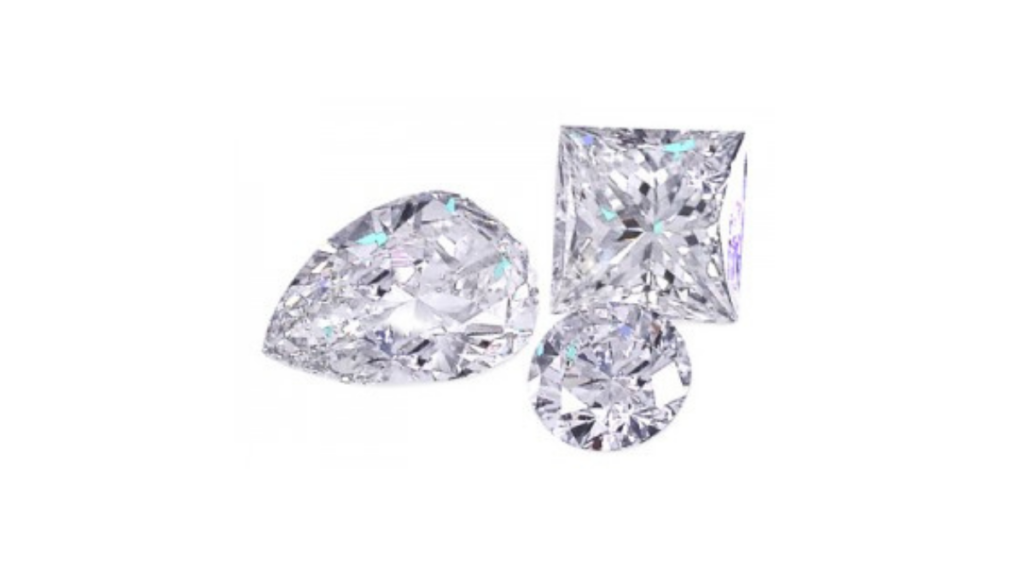
For the first time in decades, the Round Brilliant cut is facing stiff competition in liquidity. 2026 has seen a massive “Quiet Luxury” shift toward elongated shapes.
The Winner (Oval & Cushion): Elongated Ovals with a length-to-width ratio of 1.45 to 1.50 are currently fetching a premium. Because these shapes offer a larger “face-up” appearance than rounds of the same carat weight, they are in high demand for bridal upgrades.
The Classic (Round Brilliant): While Rounds still account for nearly 60% of sales, the market is saturated. A Round Brilliant will always sell, but unless it has an “Excellent” or “Triple X” cut grade from the GIA, it may not command the same “scarcity premium” as a well-cut fancy shape.
3. The 1.5ct “Liquidity Threshold”
If you are looking to sell your engagement ring, size matters for more than just aesthetics, it dictates who will buy it.
In 2026, we see a distinct “liquidity jump” at the 1.50-carat mark. Stones below 1.00 carat are increasingly being competed against by cheap lab-grown alternatives, which suppresses their resale price. However, natural diamonds over 1.50 carats (and especially those over 2.00 carats) are still viewed as investment-grade assets. These larger stones have resisted the “commodity crash” and are currently trending upward in value as supply for high-quality natural rough slows down.
4. GIA Certification is the “Financial Passport”
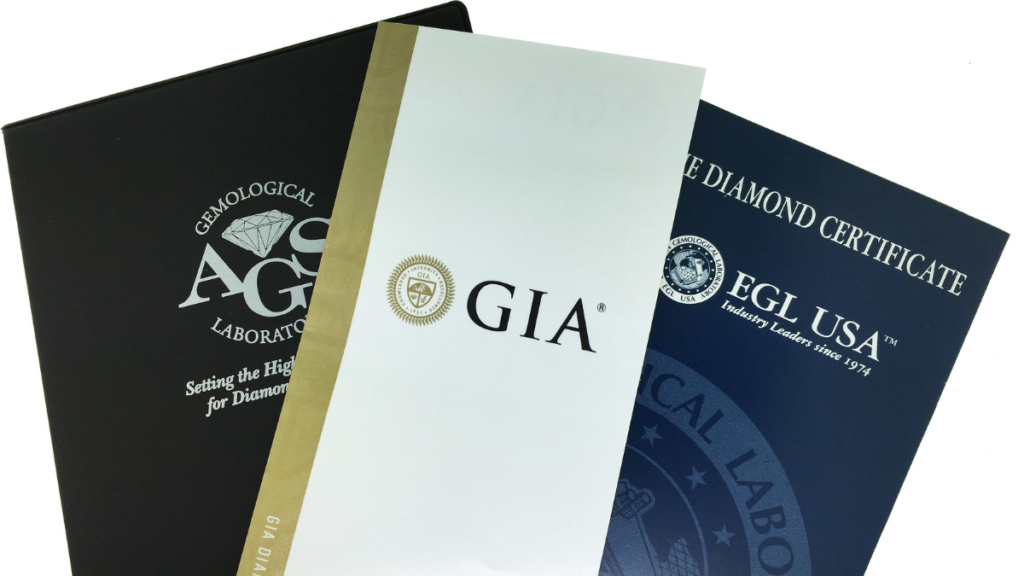
In a volatile 2026 market, a GIA Grading Report is the only document that guarantees a fast, high-value exit.
Appraisal vs. GIA: We often see clients with “Store Appraisals” for $15,000 that only fetch $6,000 in the real market.
The Difference: A GIA report is a universal standard. When you sell a GIA diamond, you are removing the “risk discount” a buyer would otherwise apply. It proves the stone’s origin and quality beyond any doubt.
5. Summary: How to Maximize Your 2026 Return
To get the most for your bridal set this year, follow the “Collector’s Path”:
Skip the Pawn Shop: They pay based on gold weight, not the “Bridal Intangibles” we value.
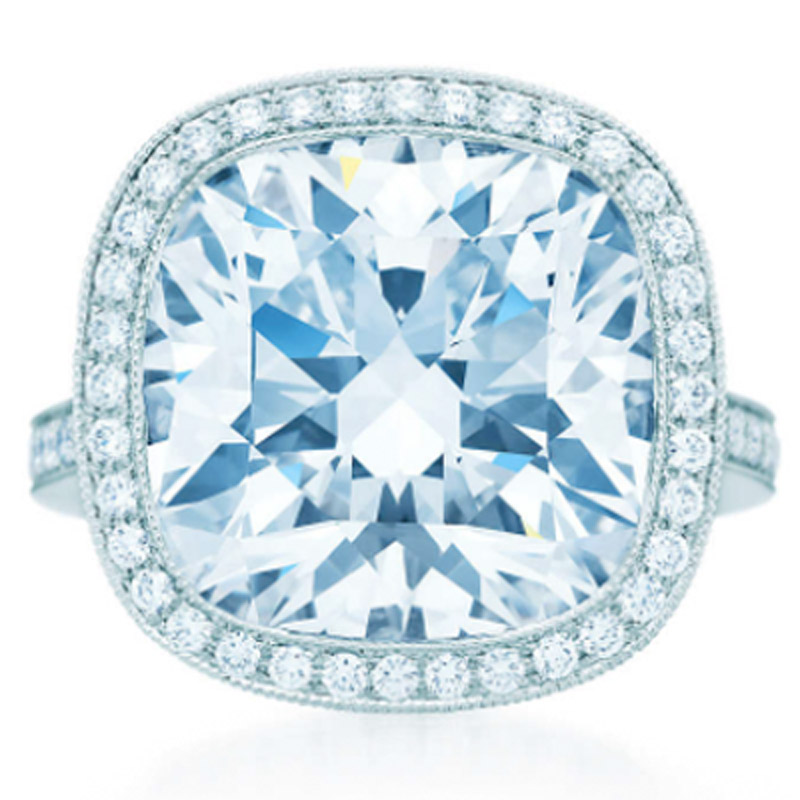
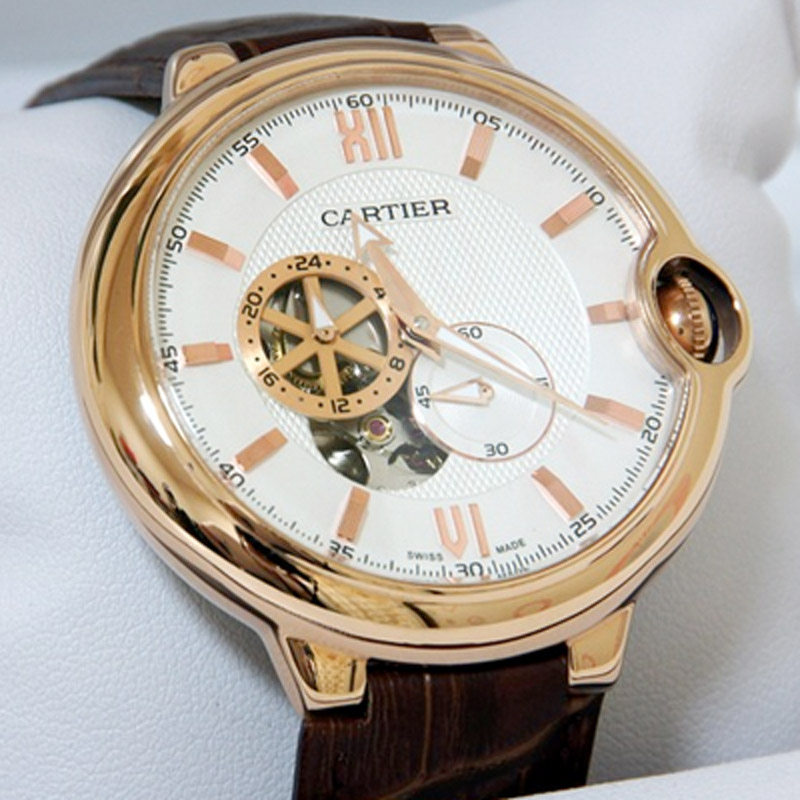
Highlight the Designer: If your ring is Tiffany & Co. or Cartier, the brand hallmark can add 20-40% to the intrinsic value.
Demand Transparency: Ensure your buyer uses a video-documented evaluation process, especially if you are selling online.
Ready to Take the Next Step?
Ready to see how the 2026 market impacts your ring?
Selling a diamond shouldn’t feel risky. We use a verified, documented process so you know exactly what’s being evaluated and why.
0 Comments